
Para Aramid Thread
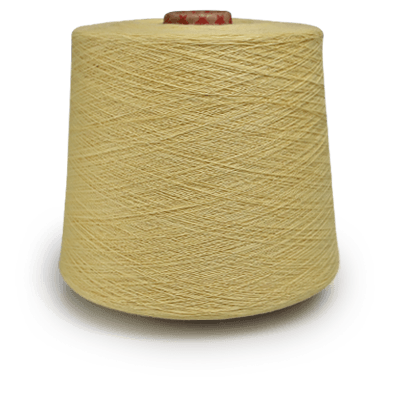
Available Winding Type
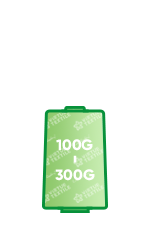
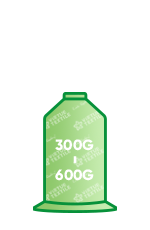
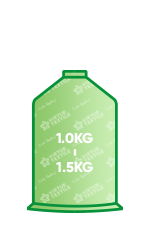
Para Aramid Thread – Premium 1414 Para Aramid Sewing Thread for Flame-Retardant & High-Strength Protective Applications
1414 para aramid thread has excellent flame retardancy
Inherent Flame Retardancy: The flame resistance of para-aramid is built into the molecular structure of the fiber—not a chemical coating or treatment. This means the flame retardancy cannot be washed out, worn off, or diminished over the lifetime of the thread.
Non-Melting & Non-Dripping: Unlike nylon or polyester that melt and drip when exposed to heat or flame, 1414 para aramid thread does not melt. It decomposes and carbonizes at high temperatures without producing molten drips that can cause secondary burns.
Self-Extinguishing: The thread is self-extinguishing when removed from the flame source—it will not sustain combustion in air. With a limiting oxygen index (LOI) well above the 21% oxygen concentration in air, para-aramid fiber will not burn in normal atmospheric conditions.
High-Temperature Resistance: Continuous use temperature up to 260°C (500°F) with short-term exposure tolerance up to 427°C (800°F). At approximately 560°C, the fiber carbonizes and decomposes without melting.
If you want to learn more about 1414 para aramid thread, please contact us
Main Features
- Flam retardant
- Wear resistance
- Complexity
- Ultimate strength
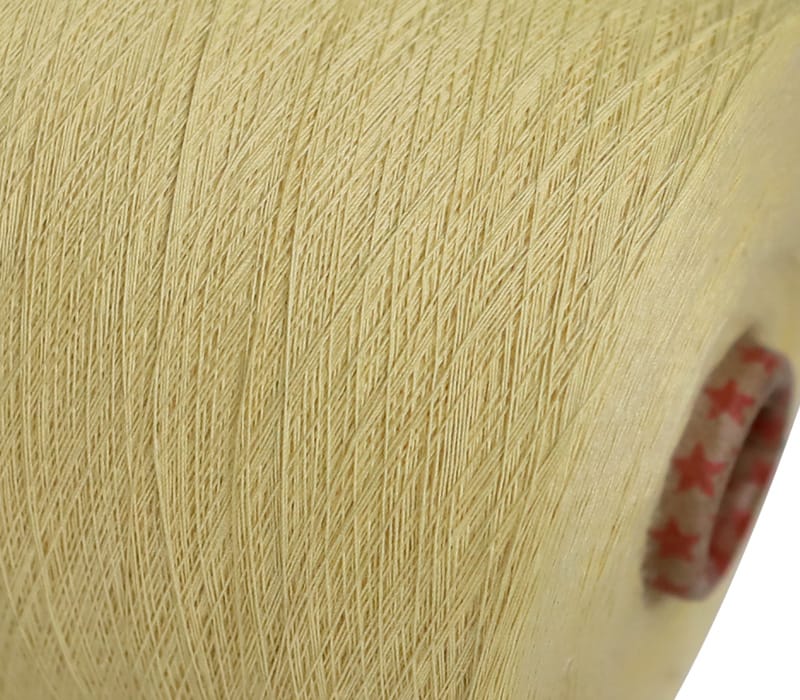
Color:
Original color(raw yellow) and dyed
Specifications:
20s/2 20s/3 30s/2 30s/3etc
Tube type:
Loose tube (170mm, 230mm), paper tube
Usage:
Sewing, Quilting
Material:
aramid fiber
Package:
cardboard box, other
Customization:
Specifications and packaging can be customized
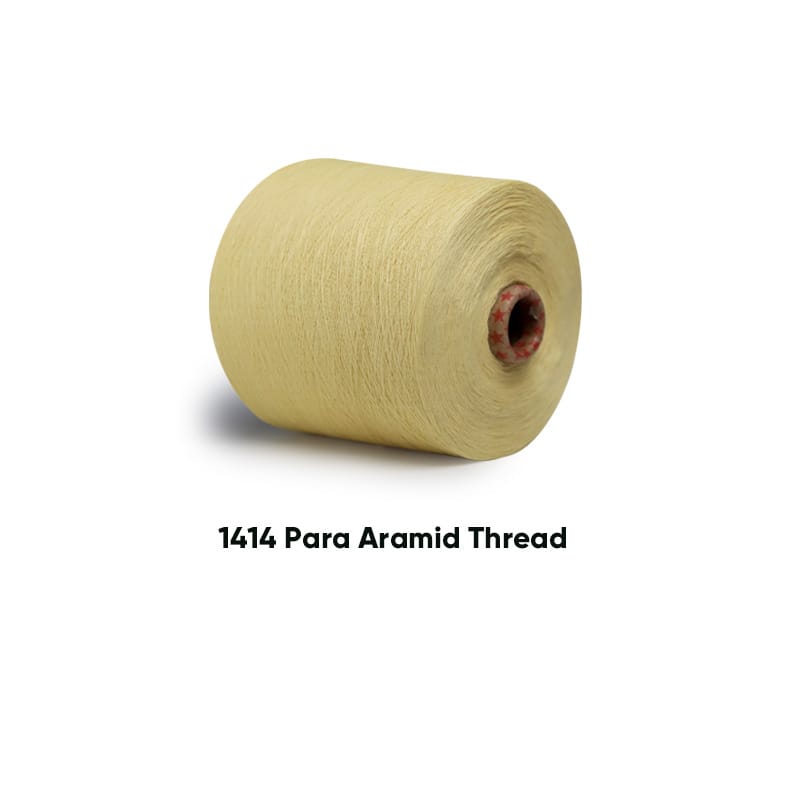
Color:
Original color and dyed
Specifications:
20s/2 20s/3 30s/2 30s/3etc
Tube type:
Loose tube (170mm, 230mm), paper tube
Usage:
Sewing, Quilting
Material:
aramid fiber
Package:
cardboard box, other
Customization:
Specifications and packaging can be customized
Available Winding Type
Applications – Where Flame Retardancy Meets High Strength

Firefighting

Protective material

Industry
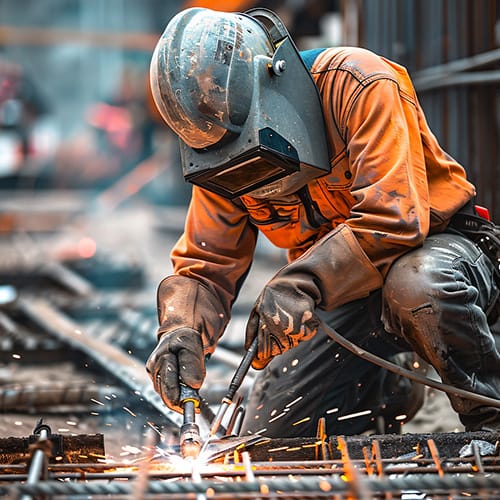
Personal protection: firefighting suit, bulletproof vest, cut resistant gloves, welding apron.
Industrial filtration: sewing of high-temperature dust removal bags (used in cement plants, steel plants, and power plants), requiring the wire to be stable and not shrink at high temperatures.
Special products: aerospace equipment, high-temperature furnace insulation curtains, automotive airbags, Climbing ropes, seat belts, high-performance tents, racing suits, and cut resistant backpacks and other products.
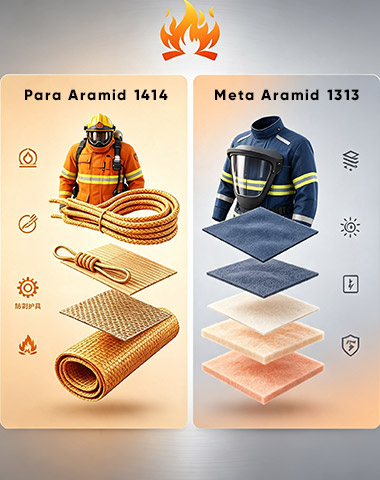
Comparative data of para aramid 1414 and meta aramid 1313
Feature
Para Aramid 1414
Meta Aramid 1313
Flame Retardancy
Inherent – permanent
Inherent – permanent
Melting Behavior
Does not melt – decomposes at ~560°C
Does not melt
Tensile Strength
5–6× steel
Moderate
Cut Resistance
Excellent
Moderate
Heat Resistance
Up to 260°C continuous
~220°C
Elongation
Very low (~3.5%)
Higher
Primary Strength
Strength + flame protection
Thermal insulation
T.D.S.
SIZE
(S for Count)
TEX
(No.)
20s/2
60
16660
3900
20s/3
90
11100
5850
30s/3
60
16660
3900
40s/2
30
33000
1950
40s/3
45
22200
2925
Frequently Asked Questions About 1414 Para Aramid Thread
Q: Is Para Aramid Thread the same as 1414 Aramid Thread?
A: Yes. Para Aramid Thread and 1414 Aramid Thread refer to the same product. The “1414” designation refers to the para-position (1,4-) of the amide bonds on the benzene ring in the polymer structure. Both terms are used interchangeably in the industry.
Q: Is 1414 Para Aramid flame retardant?
A: Yes. 1414 Para Aramid thread is inherently flame retardant—the flame resistance is built into the molecular structure of the fiber. It is non-flammable, non-melting, non-dripping, and self-extinguishing when removed from the flame source. The flame retardancy cannot be washed out or worn off.
Q: How does para-aramid 1414 differ from meta-aramid 1313?
A: Para-aramid 1414 is designed primarily for maximum tensile strength and cut resistance (5–6× steel), while meta-aramid 1313 is designed for thermal insulation. Para-aramid has para-position (1,4-) molecular bonds; meta-aramid has meta-position (1,3-) bonds. While both are flame-retardant, they are optimized for fundamentally different applications and are not interchangeable.
Q: Does 1414 para aramid thread melt?
A: No. Unlike nylon or polyester, 1414 para aramid thread does not melt. It decomposes and carbonizes at high temperatures without producing molten drips that can cause secondary burns.
Q: What are the main applications of 1414 para aramid sewing thread?
A: Primary applications include bulletproof vests, firefighting suits, cut-resistant gloves, protective clothing for welding and metallurgy, mattress tape edge seams (meeting 16 CFR 1633), racing suits, aerospace composites, and military applications.
Q: How strong is 1414 para aramid thread?
A: 1414 Para Aramid thread is 5 to 6 times stronger than steel on an equal weight basis. Its tenacity exceeds 28g/D, with a modulus 2 to 3 times that of steel or fiberglass.
Q: What temperature can 1414 para aramid thread withstand?
A: Continuous use temperature up to 260°C (500°F) with short-term exposure tolerance up to 427°C (800°F). The fiber does not melt—it decomposes and carbonizes at approximately 560°C.
Table
Construction:1414 Para Aramid Thread
Size:20s/2
TEX:60
Yield:16660
Average Strength:3900
Size:20s/3
TEX:90
Yield:11100
Average Strength:5850
Size:30s/3
TEX:60
Yield:16660
Average Strength:3900
Size:40s/2
TEX:30
Yield:33000
Average Strength:1950
Size:40s/3
TEX:30
Yield:22200
Average Strength:2925